Sunday, April 1, 2018

Guy’s Podcasts


                                          ^ Shadow Dragon Podcast


                                             ^ Awakening Podcast


                                             ^ Sacred Stones Podcast

Sunday, March 11, 2018

Defense Against The Dark Criticisms Part 6: Sammy

* Before I begin I should point out that Sammy's wall of text was originally longer. Many of her points have been answered in the previous posts. To save on time (and hopefully in the name of redundancy prevention) I'm only going to focus on the points she made that Braden and I responded to.

______________________________________________________________________

Sammy: "And I ended up being right on every account. Now I get it, the Greil Mercs are a hard shaft for a lot of people, but when you're more like me and you tend towards "eh" about the Greil Mercs, it really starts to show how underutilized the Dawn Brigade are. Underused, and underpowered. I never really felt any tension while going against the Dawn Brigade because they're, in narrative and stats, absolute mooks when compared to the Greil Mercenaries. So from the gameplay perspective, this makes extremely eclectic difficulty scaling where playing as these guys against the GMs is like setting my 25 pound puggle up against fucking Satan or something, and playing the GMs against the DB is like going to war with ants."

Braden: Narratively, this is intentional. Gameplay-wise, this works in favor of the DB in terms of making the game challenging and fun, but playing the GMs against the DB directly usually isn't as interesting, admittedly.
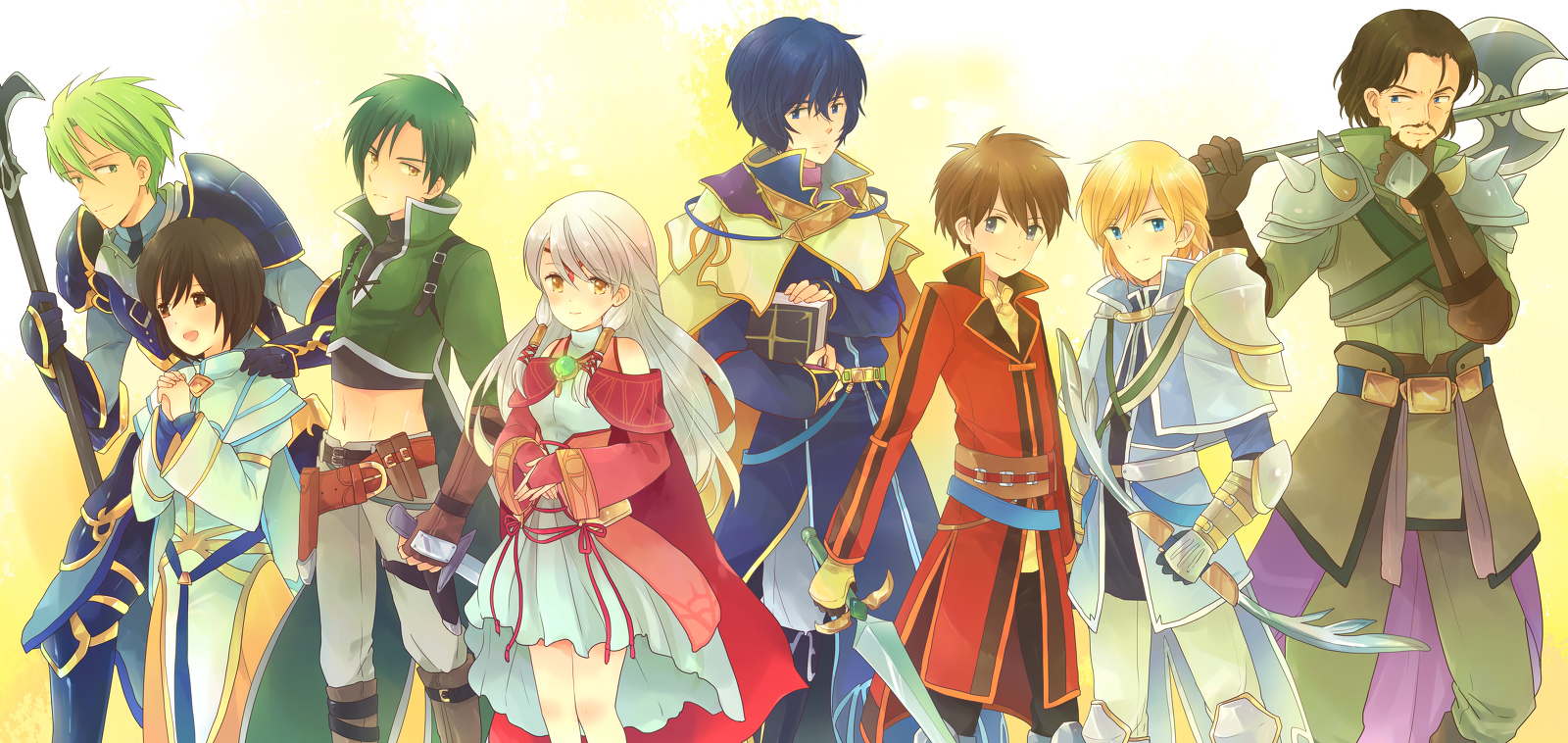
Image result for dawn brigade fire emblem

Grant: During my last playthroughs of the Tellius games I noticed that they do a pretty good job at fusing their gameplay with their narrative, even when it comes at the detriment of the game. This is one of those times. It makes perfect sense from a narrative standpoint that the GM's would be far superior to the Dawn Brigade in terms of battlefield prowess. Only a handful of Dawn Brigade members fought alongside the GM's during the Mad King's War so the GM's would be the more experienced army. Not only that, but Daein recently got its butt kicked during the events of PoR so their military might isn't going to be as good. Last, but not least, yeah RD has some of the worst unit balancing in the series. I'm not going to bother defending that one. That being said there's at least some good that can come from this.

_________________________________________________________________

Sammy: "Narratively is probably worse though. I feel personally like Radiant Dawn actively degrades itself by simply going back to the fanservice of the GM as early as Part 3 rather than give the DB the time that they truly do deserve. All of them are interesting to likable characters, and the amount of time you have with them is too minimal to expand that. The only one that doesn't feel like a throwaway is Micaiah, but even then, the pervasiveness of the Greil Mercenaries in Part 3 forces her to act more stupid than we, the audience, know she actually is. You can do controlling two opposite sides without making one side the obvious weak and more stupid side just by nature.

Related image

Braden: The idea that the DB should've had more chapters is completely correct and something I agree with, but the idea that the GMs returning when they did degrades them is just wrong. The GMs are still an important part of the narrative. The idea that the DB should've had more chapters is completely correct and something I agree with, but the idea that the GMs returning when they did degrades them is just wrong. The GMs are still an important part of the narrative. The DB doesn't act in a stupid way, just in a way out of obligation. They actually have the harder and often more interesting choice to make. Their weakness is part of what makes them one of the best parts of Part 3, in that they are forced into a grueling struggle despite being outmatched. Micaiah and the others are very admirable, and I found that I really got sucked into their personal struggle and how trapped they were. Their despair was written really well.

Grant: Having the GM's in the story is not fanservice. Radiant Dawn was never meant to be solely Micaiah or the Dawn Brigade's story. Ike and the GM's have every right to be there. It also makes more sense to have the hero of the last game show up in the sequel too. This isn't the first time I've seen someone say that the Dawn Brigade members would've been more interesting had they been given screen time. I'm highly skeptical of this reasoning. The Dawn Brigade did not consist of interesting characters based on what we already have. If they had been given more screen time we could've gotten a much more boring game. Neither Micaiah nor the DB "act stupid" either. They're in the positions that they're in because of the Blood Pact.

_____________________________________________________________

Sammy: "Radiant Dawn jerks itself off to ignoring the potential for subtlety and prides itself on Ike's side always being right, and anyone-but-Ike either being villainous, misled, or straight up incompetent. Which is fine, not every narrative needs to have 50 shades of moral grey, but the result is that the entire Dawn Brigade is effectively thrown away. If you have the Dawn Brigade be NPCs and the game starts at Part 3, it would feel like a very similar game to how it does already.

Image result for dawn brigade vs greil mercenaries
Braden: This couldn't be further from the truth. The Dawn Brigade is a necessary parallel to Ike and the GMs in terms of the position they are put into. Ike and the GMs are able to make the choice they believe in and fight to defend it, whereas the GMs are forced into fighting for something they have no convictions for, only for the sake of fighting. The goal of this is to try and explain that conflict has purpose as long as it is done for the right reasons. Ironic that Sammy would call this ignoring the idea of subtletly when RD is swamped in it. especially with all its symbolism.

Grant: This criticism feels like a rehash of the "RD demonizes Micaiah" critique that we already addressed before. Still, I think our answer bears repeating because this accusation is continuously repeated: Radiant Dawn does not demonize Micaiah! Even when both she and the Dawn Brigade are fighting against Ike the game goes out of its way to keep the DB sympathetic. The only reason why they're in the fight to begin with is because they're forced to be there against their will.

________________________________________________________________

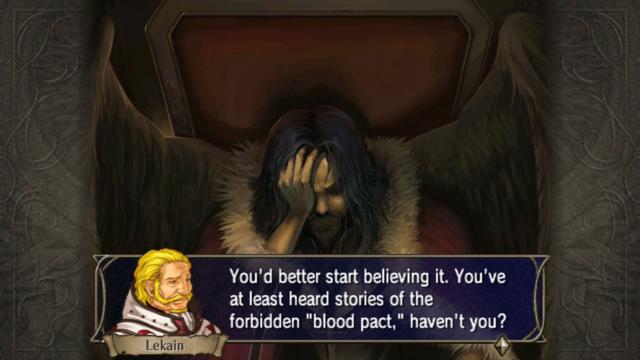
Sammy: "-The villains. Lmao, the villains. Honestly, the quality of villain writing in Radiant Dawn and Fates is way more comparable than it should be. Sephiran probably stands out above the pile of Fates shitters, but aside from him... what meaningfully makes Lekain any less comically EEEEVIILLLLL than Garon? Honestly, I can't think of anything at all. Their cause? Evil for the sake of being evil. Their means? Ridiculous plot devices that are at best, lackluster, and at worst degrade terribly from the quality of characters that once upon a time had potential, like Naesala. "
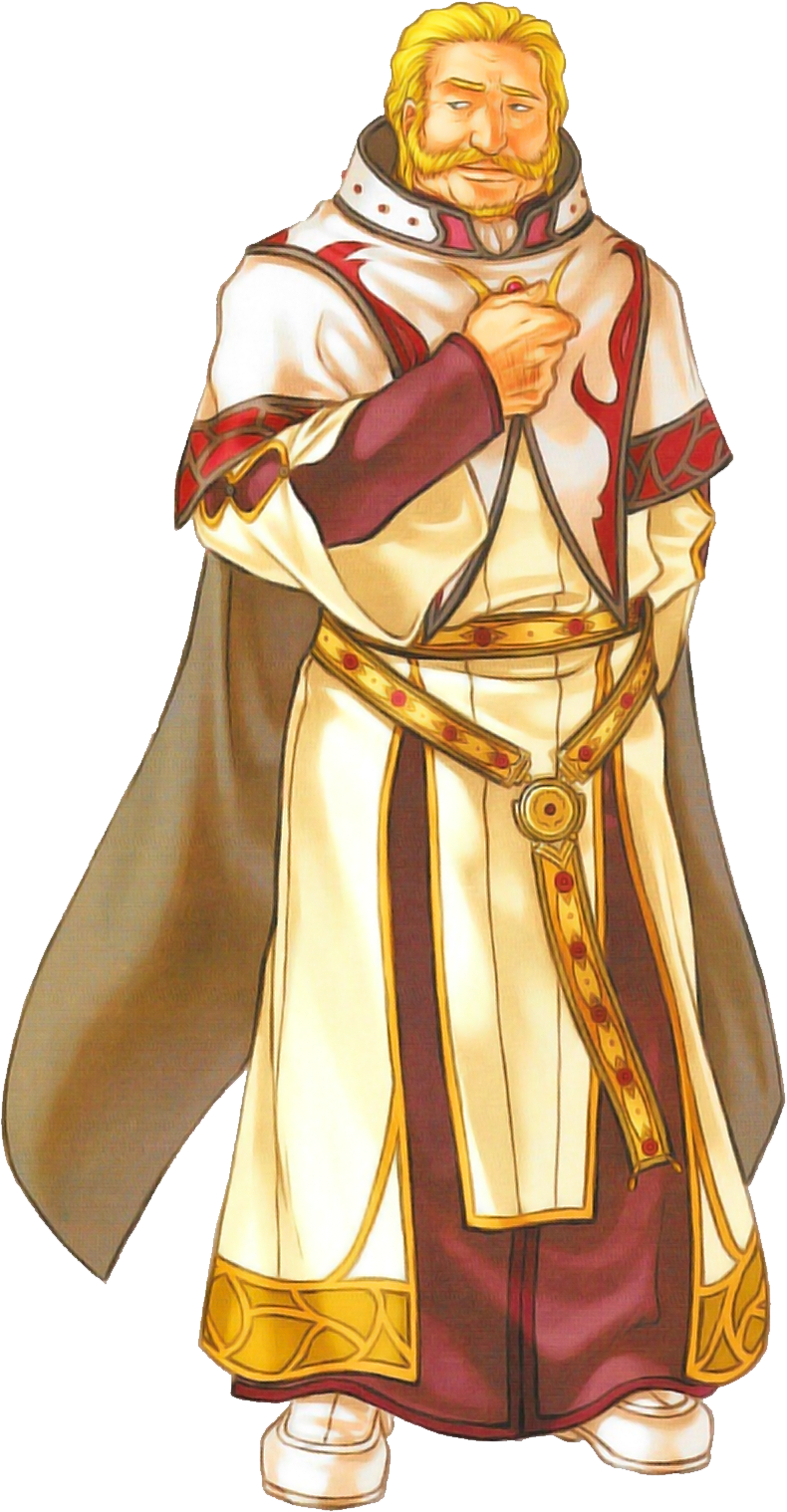
Image result for lekain fire emblem

Braden: This is something the game doesn't do a great job of explaining, one of its subtleties (that Sammy seems to think doesn't exist). Lekain and the other senators are representatives of the past, the humanity of before. They are the stepping stone that humanity as a whole must overcome to grow past the rift that exists between beorc and laguz. What the game explains is that oftentimes, conflict is the method that this rift is overcome (whether that be through something as minor as arguments or something as major as war). That's why the parallel I mentioned in the previous comment, the one between the DB and the GMs, is so important, as it establishes the idea that conflict is sometimes necessary. The end of RD is a culmination of this, first overcoming those symbols of the old humanity (the senators representing the hate and racism of the past), and then the symbols of the gods themselves (order and chaos). RD's finale says, "We've surpassed our own weaknesses in the past and will continue to do so, not by some strict adherence to order or chaos, but by a balance of the two of them". The game frames that splitting of the original goddess Ashunera as a huge mistake. In the words of Sephiran: "But...to nullify half of your being... We were terribly, monstrously wrong to suggest it." Humans of Tellius are an image of their gods, and it was their wholeness in this sense when compared to the divided Ashera and Yune that led them to overcome them. I'll concede that the characters themselves didn't need to suffer for the sake of their symbolic importance. They could definitely have worked towards both. But to put them on the same tier as Fates villains completely discredits what they mean to RD beyond just their personalities.

I talked about this [plot devices] in a previous post, but in short, they are important thematic tools and aren't bad at all.

Grant: "A small wealthy, corrupt, privileged, incompetent elite belonging to a military powerhouse nation that screw things up for everybody. Where have I heard this before? Image result for donald trump Seriously though, people like the Begnion Senate exist in real life and have existed in real life. Garon doesn't have that going for him. When Corrin proves their loyalty to him he goes out of his way to call Corrin a traitor. Why? Because reasons. The reason behind the invasion of Hoshido is neither non-existent or really weak. By contrast, we know why Lekain and the Senate do what they do."

_________________________________________________________________

Sammy: "My main complaint about the gameplay, as someone who frankly doesn't give a fuck about Biorhythm one way or another (it works in my favor just as often as it works against me, statistically, so I don't care enough to berate it), is just that it's too easily curb stomped. Notoriously Haar is the worst offender of this, but this game is lowmanning purism. "

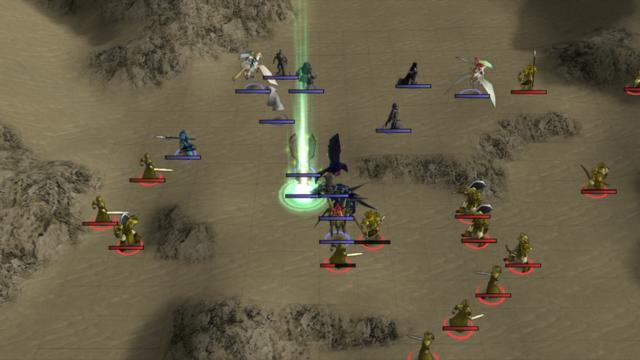
Grant: "Whaaaaaaaaaaaaaaaat? This is the game that's "too easily curb stomped"? Here's a list of games that are considerably easier to curb stomp than Radiant Dawn: - Holy War - Sacred Stones - Blazing Sword - FE 3 Book 2: Mystery of the Emblem - Gaiden / Echoes - Path of Radiance - Birthright - Revelations - Awakening - FE 1 ^ Radiant Dawn is significantly more challenging than all those games. If this game is "too easily curb stomped" then Fire Emblem as a whole is pretty easily curb stomped. If anything, Radiant Dawn actually poses a challenge. The Dawn Brigade chapters can be legitimately tough since a significant portion of the cast has the defense of toilet paper. Enemies are also tougher than average too. Granted, it's not the DS games, Thracia or Conquest but RD is one of the handful of games in the series that actually isn't a total pushover 100 % of the way through.

Image result for lekain fire emblem

"Lowmaning purism" is an odd criticism to make given that the game forces the player to switch around so many different parties that the player has to build up multiple units at least to some degree. 

While I agree that the unit balance in this game sucks I can think of plenty of other games that fit the definition of "low-manning purism" better than this game: 

- Holy War 
- Sacred Stones 
- Awakening 
- Birthright 
- FE 1 / Shadow Dragon

Also, as I mentioned before, juggernauting is an issue with the series, not just Radiant Dawn. Even games with better unit balance like Thracia or Mystery can be beaten with only a handful of super powerful units or warp-skipped. 

My overall point here is that if you're going to criticize Radiant Dawn for doing the same thing as the series, then shouldn't you be criticizing the series for having this issue?"
Defense Against The Dark Criticisms Part 5: More Gameplay Criticisms

Criticism: Largo isn't Playable
Image result for largo fire emblem
DRP: And yet so many previous NPCs now are.

 Grant: One criticism of Radiant Dawn that I agree with is that it has poor unit balancing. I still feel like it was a mistake to bring back virtually the entire cast from Path of Radiance back to Radiant Dawn. It’s WAY harder to get unit balancing right when you have to balance over 70 characters versus a cast of just over 40. If anything I think more characters should have either gotten the “Largo treatment” ie written out of the story and made unplayable OR they should have been killed off during the events of Path of Radiance. Either way, I don’t see Largo’s lack of playability as an issue. 

Alan: But Calill gets his stat bonuses. I think it’s only fair that a man who pins tigers for fun lost an arm and isn’t able to fight so well anymore.

Braden: rip the dream. Calill consumed his gains (transfer bonuses) to grow stronker


______________________________________________________________________


  • Olivier Cadieux talking about Chapter 4 - 3:
  • “Fuck this map
  • ...
  • I guess I'll still have to say why lol
  • It's a giant desert map filled with status staves and lots of dangerous enemies - but the worst part is that this map has a route objective despite everything I have mentioned above.

  • Oh, and I *think* most of the staves are enemy only, tho I might be wrong”
Image result for radiant dawn desert map

DRP: I can’t hear your criticisms over the sounds of me shouting in delight as I slaughter everything in this desert with Naesala while gaining Baselard and Stefan and watching the Black Knight kick ass one last time.

Alan: The problems here are over exaggerated. Yes, it’s a rout map on a desert. However, there is only one status staff in the enemy’s midst, being a silence staff, and there are several precautions made to keep this map from being TOO MUCH of a slog. The game gives you a great number of fliers, mages, and laguz in the default Silver Army, meaning that while many units will be slowed down in this map, a great amount of the ones the game tries to give you won’t be.

_______________________________________________________________

Criticism: Sothe randomly becomes important. He went from a completely forgettable character in Path of Radiance to being one of the main characters in Radiant Dawn.

Image result for radiant dawn sothe

Braden: I don’t really understand this criticism. Wouldn’t it be a bit of plot convenience for him to be important for no reason in PoR? The fact that Sothe becomes much more relevant based on where he his and what/who he’s involved with makes the world feel much more real.
____________________________________________

Defense Against The Dark Criticisms Part 4: Gameplay Criticisms

Criticism: The Dawn Brigade SUCKS both narratively and in gameplay

Marm: The Dawn Brigade tells one of Fire Emblem’s most compelling stories, arguably. What happens after the tyrant is deposed? It’s our first time taking the perspective of the occupied citizens of a country, and our first time taking the side of the defeated Enemy, with a capital E. It’s an important story to tell: there are still people there, and they’re going to be treated just as terribly as the occupied Crimeans of the previous game. Can you call your heroes just, then? Can you call them good? Maybe you can still do that, but you can’t call them flawless. Micaiah’s side serves the purpose of showing there is no blameless side in war. 

Gameplay-wise, the Dawn Brigade offers some of the most fun challenges in the series, partly owing to the fact that they’re woefully underpowered compared to the rest of the cast. It is well-woven into the narrative, too-- You play as a bunch of scrap fighters vying for freedom. Most of your squad isn’t even properly trained in combat. Nolan’s a merchant, Micaiah’s a fortune teller, Leonardo and Edward are just a couple street urchins with a strong sense of justice. Even Sothe. This last one might have experience in war, more so than most, but he’s still just a thief; he’s not meant to be a combat unit, and he’s definitely not an officer or a tactician or anything of the sort. 


As hard as the river chapter, the laguz brigands chapter or the defend chapters against the GMs are, they offer some of the most compelling challenges in FE. 

Image result for dawn brigade

Braden: The role the Dawn Brigade plays is a great one, just as Marm said. I do agree though that lack of real support conversations in the game hurt the newly introduced characters (although some of this is remedied in the Tellius Recollection books, where Edward, Leonardo, and Nolan all get some established backstory). Beyond that, I also agree with Marm on how fun it is to be challenged during the DB chapters, I just think that they needed some more playtime to catch up to the rest of the cast by the time Part 4 rolls around.

______________________________________________________________

Criticism: Haar trivializes the whole game


Marm: First, while Haar has amazing availability for Radiant Dawn, he’s still unavailable on half the maps you play. Technicality aside, the point is that Haar is overpowered. That’s not exactly wrong, but it’s not exactly right, either. We, the fire emblem fandom, are well aware of just how powerful the man is, and through us that knowledge has spread. Knowingly, most of us will invest a lot of early part 2 exp into Haar to really maximize his efficiency and make the harder part 2 and part 3 maps easier, to say nothing of part 4 onwards. Some people will even have him and Lucia promoted to tier 3 by the end of Part 2 by really abusing their exp intake.

We need to remind ourselves that that is not how most players play. 

Image result for haar radiant dawn

The average player, who isn’t as invested into the series as we are, or who is playing the game for the first time, will not have foresight into the rest of the game. Haar remains a powerful unit, but without that prior knowledge, it’s hard for him to become the gamebreaking unit that he possibly can be. 


And even if he is, I posit that that is not a bad thing. Numerous fire emblem games have characters that are overpowered and make challenge and ltc runs dramatically easier. Think along the lines of Seth from Sacred Stones or Sigurd in FE4 part 1. All of them trivialize the difficulty of their games when put into the hands of seasoned players who’ve done a prior playthrough. In a way, learning to maximize their battle prowess and make the game faster and easier is the reward you get for returning to the game another time. 


Grant: Having an OP juggernaut is not a problem unique to Radiant Dawn. Every Fire Emblem game in the franchise has at least one, if not several. If you’re going to criticize Radiant Dawn for this you should at least be consistent and criticize every game since they all do it. This is why I devoted an entire post to this subject 3 years ago in my “10 Tips to Improve the Series” list: 

http://thecrusadergrant.blogspot.com/2015/11/ten-tips-to-improve-fire-emblem-5.html


   It’s a problem with the franchise, not just one particular game. While I’m on the topic of pointing out patterns I’ve noticed something about the Fire Emblem fandom as a whole: When it comes to criticizing balance we tend to criticize balancing issues in games we don’t like while turning a blind eye for the games that we do like. Most of the people who criticize Haar being OP in Radiant Dawn generally don’t criticize Sacred Stones where Seth’s dominance is a much bigger problem or Sigurd dominating Holy War or Marcus dominating FE 7.  

Image result for haar radiant dawn


Alan: It’s hard to trivialize an entire game when you’re limited to acting in less than half of it. Yes, Haar is extremely powerful, but it’s literally impossible to make the game easier during the parts where you aren’t there.

___________________________________________________________________

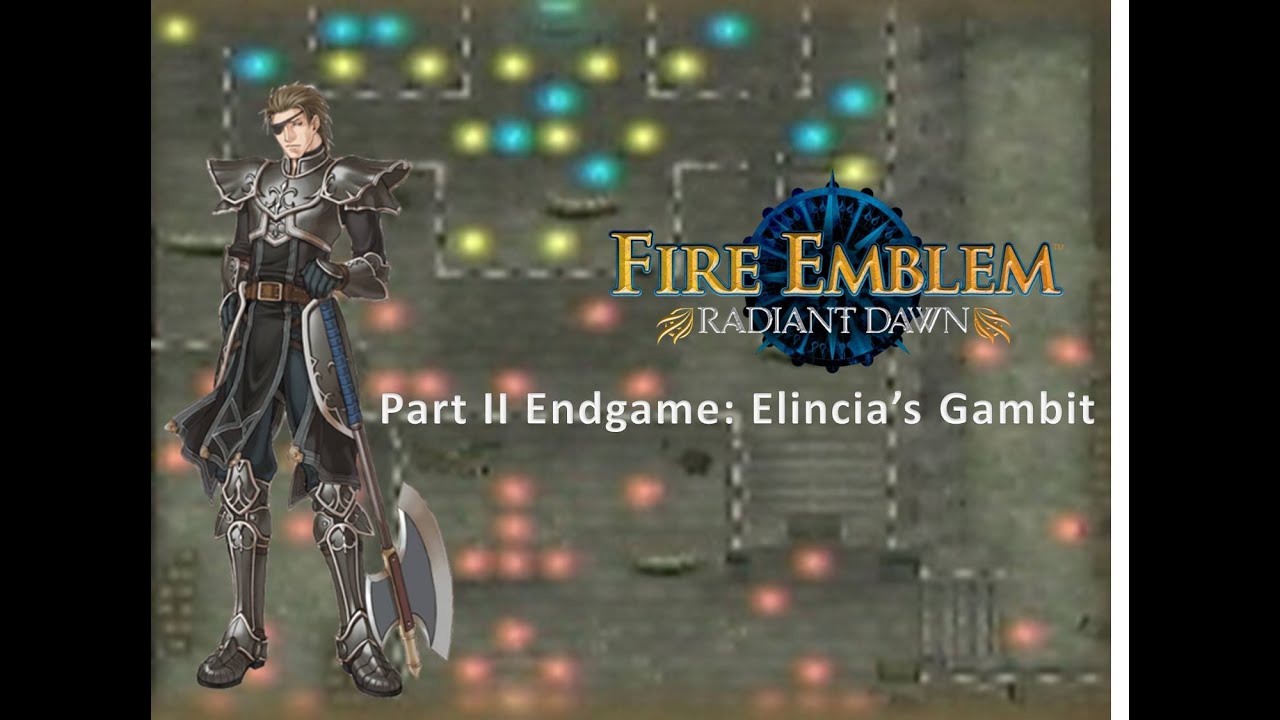
Criticism: You can 1 turn Part 2 Endgame: Elincia’s Gambit.

 Grant: On the one hand it’s true that you can 1 turn Elincia’s Gambit. I agree with the criticism that this map is poorly designed. If I were doing a map design series on Radiant Dawn and came to this map I would rate it as a “fail”. So why am I bothering to type something about it in a Radiant Dawn “Defense Against the Dark Arts Criticisms” post? Well Elincia’s Gambit is poorly designed but the hate against it feels disproportionate to the amount of suckage it provides.

   For starters I wouldn’t even rate Elincia’s Gambit in a “Top 10 Worst Designed Maps” list. Yes it sucks and can be easily trivialized, but it’s FAR from the worst map designed in the series thus far. One point that my Map Design Ratings series brought into focus was that no Fire Emblem game has perfect map design across the board. Every Fire Emblem game, including Thracia 776 (the game with the best map design in the series), has at least a few poorly designed maps. Here’s a small, non-comprehensive list of maps that in my opinion are more poorly designed than Elincia’s Gambit:

Phantom Ship (Ephraim Route in Sacred Stones): This map has Fog of War, which means that it actively holds information back from the player. Space is so limited that unit positioning hardly matters and waiting for unknown flying enemies to pop up out of nowhere is really bad design. At least Elincia’s Gambit can be finished quickly. 

Anri’s Way (Fire Emblem 3 Book 2, Chapter 11): Oh boy! A desert map with large chunks of empty space that serves no purpose. Did I also mention that it has super weak enemies too? Terrific! But wait, there’s more! How could we forget that tedious desert gimmick that over incentivizes fliers and becomes a slog for most infantry units? 

Chapter 24x of Thracia 776: Super cheap warp tile gimmicks for the fail! Also, fog of war exists. Meanwhile enemy bishops warp enemies at you. 

The Furry Genocide chapter from Conquest (aka Chapter 19): Super annoying gimmick that drags out the entire pace of the map in addition to enemies that punish weak units but don’t stand a chance against the player’s best units. Did someone say lowmanning? Oh and did I mention that a Beast Killer obliterates every unit on the map?


The sad thing is that I can keep on giving example after example of maps that suck way harder than Elincia’s Gambit. The point here is that it’s not worth the HUGE amounts of hate that I see it get. Heck, the desert map in Part 4 of Radiant Dawn is more poorly designed than Elincia’s Gambit. So in conclusion: Yes Elincia’s Gambit sucks, but it’s not the worst map by a long shot

Image result for elincia's gambit radiant dawn


Marm: In my opinion Elincia’s gambit is one of the best maps in the series. It doesn’t matter that you can 1 or 2 turn it-- this speaks to the ingenuity of the players, if anything. 1 turning with Haar requires significant investment in him, whilst 1 turning with Elincia requires the foresight of removing Mercy from her skillset. 

To a larger extent, so many maps can be 1 or 2 turned in Fire Emblem in general, and no one ever calls those out. Warp skipping, dancing, flying and rescuing shenanigans, shove shenanigans in PoR.. I’ve done drafts and ltcs before. If your goal is to cheese FE, then you’ll cheese it. It’s inherent to the ingenuity of the series. (Notable exception to FE4, owing to its awfully large maps-- there’s a limit to what you can do). Is it a bad map for rewarding you for using the tools at your disposal? I think not. A player that wants to gain their exp or employ a safe defensive strategy will have a lot of fun in Elincia’s gambit. 

Image result for elincia's gambit

Alan: Elincia’s Gambit is one of the most memorable maps for me in Radiant Dawn. As a dumb child, I spent about a week trying to clear it because I didn’t realize that Elincia was basically a War Goddess disguised as a support unit. Then, I saw that you can one turn it with Elincia and I was flabbergasted. Everything you do in order to do it seems like a violation of common sense - there are crossbowmen in range to shoot Elincia down, and they would if Ludveck weren’t so quick on the draw. It’s ridiculous. 

That said, there are plenty of really nice items that you miss out on if you one turn the map. The nullify scroll, a silver greatlance, an energy drop, Olivi Grass, and a possible dracoshield can all be claimed on this map in one way or another. As such, playing this map casually can be a joy, but the LTC option that breaks the map is an option as well. It all depends on how you’re playing the map.

________________________________________________________________________

Criticism: Laguz units who aren't Royals suck. Laguz Royals 2 OP Plox Nerf.
Image result for Laguz Royals

Marm: Laguz units are definitely an issue in this game, in that not only are they kind of awful in general, but even if you decide to use them, you’re limited to one or two owing to their over reliance on items like Olivi grass and laguz stones. Volug being half-shift-locked in part 1 really doesn’t help, either. 

Still, raising laguz units and learning to abuse their exp gain by having them receive attacks and retaliate in human form is part of the fun. Granted, that’s really all there is to be said on this topic, since all of the regular laguz are overshadowed in the end by…

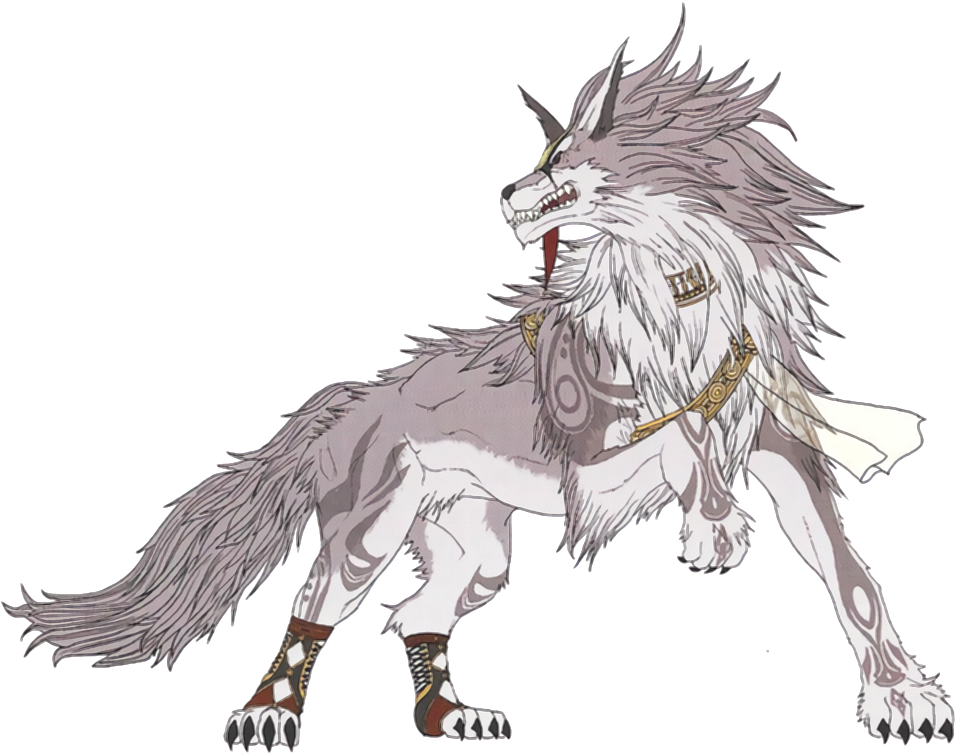
The laguz royals, which are what I’m actually aiming to defend in this post. See, the laguz royals are the end result of gameplay and story integration, in which we know for a fact, for we’ve been told numerous times by the point we even get Nailah, that Laguz societies let their most powerful warrior lead the tribe. It stands to reason, then, that all of these incredibly powerful characters, lore-wise, should be equally powerful gameplay-wise. How underwhelming would it be if you finally got your hands on Caineghis or Tibarn and it turned out that they sucked, or just performed about as well as your other units? No game could justify that, after the exposure they’ve given these characters. 

Radiant Dawn’s endgame is designed to be a crowning moment of awesome for the saga. The point of it isn’t exactly to challenge you-- it’s there to gratify you. It is designed to let you indulge in using these nigh legendary characters, weapons and spells, the sort of retaliation one imagines is necessary if there is to be hope in defeating a Goddess championed by countless, oft-revived soldiers. It’s there to make you feel good for sticking with the games, and I for one believe it succeeds at it in part thanks to the inclusion of the royals. Because the one thing that would have really sucked is never seeing Caineghis battle. We needed to experience just how absolutely formidable he is. How Giffca’s claim that Ashnard was no threat to his king was no boast. 

Image result for Laguz Royals


Alan: I’ve never really liked Laguz, but I’ve particularly never been a fan of how they work in RD. They’re either so weak they die while in human form or decently strong, but not earning any exp, in beast form. As such, I think they’re gimmicky and overall just not that good.

Laguz royals though. They’re mega rad. Some people might think “This game’s telling me that all the units I worked for to get here are worthless now,” but you can also think of it another way. If you made it this far, the game wants to ensure that you can see it through to the end. That’s why we usually get Gotohs in most games, but Radiant Dawn gives you SO MANY that it’s a little ridiculous. And I love it. The fact that the game talks up how strong the Laguz kings are and then they let you play with it the one time the game can reasonably find the excuse to put them all in your hands at the same time leads to a very empowering endgame romp.

_________________________________________________________________________

Criticism: Biorhythm Sucks

 Grant: I haven’t noticed the effect that biorhythm has had on Radiant Dawn. I find the complaints of this to be wholly exaggerated. It really doesn’t affect much of the game, if at all. 

Braden: Biorhythm is almost entirely insignificant. It definitely doesn’t have any reason to keep it around, but it doesn’t make the game unplayable to the extent that some people seem to exaggerate it to at times. 

Alan: Biorhythm is kind of lame, but it’s not that big of a deal. The only times I can think of it actually being a pain is Hard Mode Part 1, where the Dawn Brigade kind of needs to be at their best at all times and stats aren’t high enough to make it less of a factor.

________________________________________________________________________

Defense Against the Dark Criticisms Part 3: The Blood Pact

Criticism: Blood Pacts are stupid plot devices that ruin characters

-> Special mentions for Naesala, Ashnard, Pelleas and Micaiah


Evil Overlord Darius Pent: From what I understand, critics of the Blood Pact plot device take two major offenses with it--That it feels contrived and is not a convincing motivational factor, and that the Dawn Brigade characters make the worst-possible decision on how to react to it. 


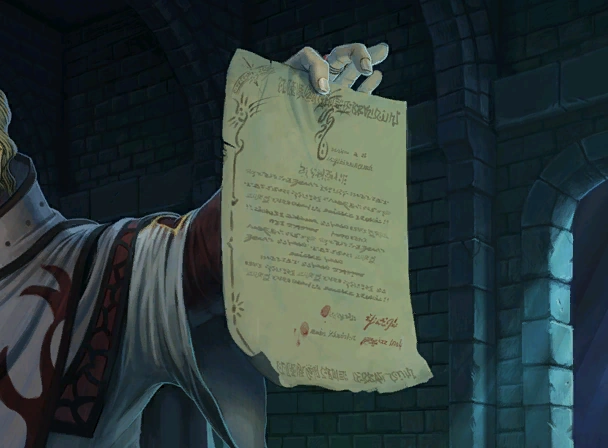
I have read many arguments about the Blood Pact, and usually people who feel sour about it comment about how it makes no sense that a magic written on a piece of parchment could enact such a vague threat--a “plague” impacting a ruler’s people. As someone who has studied some of the older literature and lore that Fire Emblem games always borrow from, I have never had a problem with the magical powers of the Blood Pact. This is because the written magic fits within the Fire Emblem franchise’s established realm of magical possibilities, which I will discuss after defining the kinds of magic systems.

Image result for blood pact fire emblem
While many gamers, anime fans, and armchair movie critics may prefer a more sharply-defined magical system with strict rules and cause-effect relationships, like Fullmetal Alchemist and Avatar: The Last Airbender, this “hard rules” magic system concept is more a modern phenomenon in fiction.  Classic myths and old legends frequently make use of magic, but have much more ethereal rules for them, as with the classic Lord of the Rings and its more modern spiritual successor, Dungeons & Dragons. (I would argue as an aside that it is the proclivity of the stories we are most familiar with to involve vague magic systems that creates such an appeal for the magic systems of FMA and Avatar.) Fire Emblem constantly draws from all kinds of mythologies, but most often from Arthurian and Norse legends--both of which follow “loose” rules regarding magic, where the power of language can change reality. In Arthurian legend stories, if a prophet or a witch utter a curse at someone, the intent of their words comes to fruition. The power of words was a well-understood concept to the original audiences of these stories. Given the borrowing from Arthurian Legend in Tellius (Sir Gawain and the Green Knight, if you need an example), it is not unreasonable to see a similar concept of magic words creating a curse in Radiant Dawn. Bringing the concept back to Fire Emblem’s own internal lore, it is entirely reasonable for books to be the source of spells. After all, mages read from tomes to cast their Wind, Fire, and Thunder spells. If the Blood Pact seems contrived, it is only because it was not explained punch-by-punch in concept. Path of Radiance had already sown the seeds of the Blood Pact concept with Naesala’s and Ashnard’s hinted sudden ascendance to power. The power of words had already been established in the Forest of Serenes with the Galdr of Rebirth. It is my opinion, therefore, that those who do not find the Blood Pact a believable magical concept are being sticklers for a hard-magic rules system that Fire Emblem has never truly adhered to. (And, that those who are Harry Potter fans who insist the Blood Pact doesn’t make any sense should probably question their HP fandom.)

(For a fuller explanation of the hard/soft magic system concept, see Hello Future Me’s videos analyzing literary & anime examples.) As for how the Blood Pact targets a ruler’s people, one could argue it enacts akin to the Familicide spell from Dungeons & Dragons, in which the magic seeks out all beings who share blood with or are related to the target and kills them. In the Medieval world of Tellius, countries are pretty segregated, with each Laguz tribe living separately, and even the Beorc nations tend to stick together as a people group. The magic could seek out those in the vicinity of the Pact-breaker and spread like a wave over the country, and most of the inhabitants would be affected. After all, the Pact is literally set in blood, so the magic already knows what to seek if the contract is broken.


The second major problem Blood Pact critics often have is that the Dawn Brigade epicly flubs its decision to continue fighting Crimea and the Laguz Alliance instead of joining them to smash Begnion. The Blood Pact only kills one or two a day and then doubles it. Surely losing 100 or so people is not a big deal--just wave the white flag, invite Ike and his mercs over to your castle, chug some booze, then kick Begnion in the pants in the morning… Much better than fighting to the death army-to-army when you could be fighting Begnion, right? 
The main flaw in this would-be argument of pragmatism is that it comes from the perspective of someone who lives in a globalized society. It’s no big deal to interact with people from all over the world and to befriend them. Even if your country was at war with theirs a few years ago, you might not agree with the decision your respective leaders made and could manage some peaceful interaction with that person. 

For anyone who missed the memo, the Fire Emblem games do not take place in a globalized society. In the words of NoA’s Bill Trinen of the localization team, Fire Emblem is “Japan’s idea of Medieval Europe.” That means nationalism and feudalism exist in full force. And what continent better demonstrates these ideologies than Tellius? The nations are formed by respective people groups, some of which isolate from those that differ from them, and each people group feels loyal to their own and shuns the “others” until Ike comes along to challenge discrimination of Beorc, Laguz, and Branded. Even then, change is gradual, and each nation is still ruled by a single king or queen (except Begnion, which has a faux-democracy-actually-aristocracy-with-a-spiritual-leader-figurehead thing going for it). When nations war, it’s literally people group against people group, Us versus Them, to the same degree as the World Wars.

Image result for blood pact fire emblem
Crimea and Daein? They’re not friends. Not even pen pals. They spilt one another’s blood a mere three years before this Blood Pact thing.
Trying to make nice and be buddies is far from anyone’s mind. Except Sothe’s, because he’s Ike’s biggest fanboy outside of the Greil Mercs.
On top of that, this alliance that Daein is supposed to join against Begnion is the same one that has been running with its tail between its legs for the past few chapters because Zelgius kicked Skrimir’s tail. You know what? Joining the losing side to fight the almighty Begnion Empire is sounding better by the second. At the risk of sounding like this is a Straw Man argument, my point is that the “simple solution” is not so simple. And Daein trying to solve things on its own is believable, given the story world… and actual Earth history. 

Because let me tell you, Germany’s Kaiser Wilhelm II makes Micaiah’s & Pelleas’s decision look BRILLIANT. (Make allies with France or Russia or literally anyone besides the crumbling Austrian Empire? NAH FAK ENGLAND THREE FRONT WAR YOLO SWAG. KEEP TORPEDOING THOSE MERCHANT SHIPS, LET THE USA JOIN THE ALLIES, FAK EVERYTHING!!!1~!!1one!)

Nationalism says “nuts” to working with your nation’s hated enemy. And even barring nationalism, no self-respecting nation just turns over and begs their hated rival for help. Unless the Koreas shaking hands and being besties is the fanfiction you’re reading. Stick that wall-of-text in your pipe and smoke it 420BlazeIt style.

Image result for blood pact fire emblem


Marm: So, Daniel’s epic response covers just about everything, but I’ll also add that people underestimate how long this conflict goes for, or how long it’s expected to last for, when considering Micaiah’s and Pelleas’ position when picking a side in the war. The blood pact kills people exponentially when it isn’t being respected. Wars don’t last a couple weeks, you know. They last months, years. Without knowing how long the conflict will go for, they can only try to obey orders and keep their losses to a minimum. It’s entirely unreasonable to think they would do otherwise. Think back to the “Plague” Tanith mentions when she speaks of Ashnard in PoR. She mentions a good percentage of the Begnion / Daein populations were lost, indiscriminately, over the span of just a year. 

Alan: Blood Pacts, like many of the things we see come to light in Radiant Dawn, are seeded throughout Path of Radiance’s narrative. In chapter 18, Crimea Marches, Ike has a base conversation with Tanith where they talk about how Ashnard came to power. They speak of some sort of plague that killed off many citizens of Daein and everyone in the royal line between Ashnard and the crown. In Path of Radiance’s endgame, Ashnard tells Bryce that it was by his hand that everyone between him and the throne, claiming that their deaths that were supposedly caused by the plague were rather caused by his direct actions, which they were, because he used a blood pact for it.

Image result for path of radiance chapter 18 ike tanith

Braden: So beyond what everyone else has already said, I want to address a common issue that I think a good portion of this criticism stems from, which is this idea that plot devices are intrinsically bad. This is simply not the case. Plot devices can absolutely be used poorly, but they can also be used very well, and in the case of RD, I think blood pacts are used excellently. What determines whether a plot device is used well or used poorly depends on two main factors: its believability/how naturally it emerges given the story it comes from, and what is accomplished through the use of it. 

So first let’s talk about the first aspect: its believability. DRP already covered this point extensively, but I’ll add on that its additional relevance to PoR in regards to Ashnard and Naesala strengthens this even further (Don’t worry, I’ll go over specific characters soon). 

As for the second aspect, there’s no question that the use of blood pacts accomplishes a hell of a lot for the story. It sets up conflict, and alongside it, a thematically relevant dichotomy (balance vs extremism) that it uses to send a bigger and more important message. It also allows for an incredible degree of character development for Micaiah, Sothe, and Pelleas, something that would’ve been nowhere near as strong had the conflict been done in some other manner. 

Image result for blood pact fire emblem

Onto characters in particular, starting with Ashnard. I would assume the arguments about blood pacts ruining his character would be on two particular fronts: that it doesn’t make sense for someone who feels so strongly about how people should be able to enjoy the value of their own power and what it can grant them to use an outside power like a blood pact, and that it contradicts what he told Bryce in PoR’s endgame, that everyone in line to the throne died by his own hand. To refute the first is easy: it’s clear that Ashnard has no problem with using an outside power. In PoR he was hellbent on using the medallion’s power for almost the entirety of the game. He seems to believe that when you take the power of something else, it essentially is just an extension of your own. The use of a blood pact wouldn’t really be any different from trying to use the medallion, or his use of blessed armor or his blessed sword, Gurgurant. What he told Bryce in PoR’s Endgame, about everyone in line to the throne “dying by his own hand”, isn’t incompatible with the use of blood pacts either, especially considering what I just mentioned about his feelings on tools of power. Better yet, someone’s critique of blood pacts actually made me realize something about Ashnard that makes a hell of a lot of sense. On one of my streams someone brought up to me the unlikelihood of the blood pact killing the exact people who were in the line of succession before its killings got out of hand, and I realized they were completely right. The conclusion I ended up coming to is that Ashnard used the blood pact to imitate a plague, so that he could kill those ahead of him personally under its guise. This would be even more consistent with Ashnard telling Bryce that they died by his own hand, while also solving the probability issues that would arise with them dying purely to a blood pact.

Pelleas’ and Micaiah’s character are both GREATLY benefitted by their blood pact. Pelleas is just a normal, everyday guy, thrown into a position of leadership when he is completely inept. Yet despite his weakness and inexperience, he acknowledges his shortcomings and vows to do his best regardless. He has a strong sense of duty to his people even though he has no idea how to really lead them. It comes to the point where he is willing to sacrifice himself to save his people, without hesitation. The situation he finds himself thrust into brings out how much he really cares about his people.

Image result for blood pact fire emblem

The same goes for Micaiah. Rather than struggling with inadequacy for her role, her struggle is more moral in nature. She knows what she is doing is wrong, but her loyalty to the Daein people overshadows it. She puts her entire moral compass on the line to protect them. In her own words: “If that's what it takes to be just, then I want nothing to do with justice. I'd rather be hated and feared like Mad King Ashnard. I'd rather the dark god take my soul. I'm going to save my people, Sothe. If the rest of the world paints me as a beast to be reviled and hated, so be it.“ 

Naesala is a bit harder to interpret, and is something that even I still actively think about in order to try and fully understand. The conclusion I’ve come to for now is that Naesala in PoR, being under the blood pact, chose to cut himself off from others so as to make it easier to protect his people. He was similar to Micaiah or Pelleas in that loyalty to his people, I suppose. He succeeded in giving up his moral compass, which is why he remained self-serving even towards his own allies and friends, his fellow laguz kings. When Reyson tells him that Leanne is alive, his demeanor changes. Notice that after that, he no longer battles against Ike’s group, and goes so far as to save Leanne (admittedly due in no small part to Tibarn telling him to) and to stay and fight against Daein at her request. Leanne cracked his facade, and in RD, when Begnion really starts to use his blood pact against his allies, his facade fully breaks. His guilt is outwardly visible, and the consequences of him being under its grip are far more severe alongside it.

Image result for blood pact fire emblem

Grant: I’d like to address the idea that the Blood Pact “ruins” Naesala’s character. I don’t see how it ruined his character in PoR since as far as we know he did everything in that game of his own free will. There’s no evidence to suggest that he was being ordered by Begnion to do what he did there. As for Radiant Dawn it’s consistent with what Path of Radiance showed us to see Naesala commit some act of treachery and yet still not be evil in spite of it. In Path of Radiance he sold out his best friend to freaking Oliver for money, fought alongside Daein and sent Norris’s ship to attack a Begnion vessel while trying to pilfer all the treasure. He is clearly one treacherous dude. And yet, nobody calls him evil. Naesala manages to atone for all the bad things that he did by rescuing Leanne or helping Ike defeat Ashnard (you can choose to call upon him if the player does not defeat Ashnard with something like Wrath / Resolve Ike). 

Image result for naesala radiant dawn blood pact

It makes sense to me that Radiant Dawn would have Naesala commit an act of treachery without being evil. One of the main ways a Fire Emblem story keeps a character sympathetic while also committing heinous acts is to usually strip that character of their agency. Lyon is a prime example of this. Alvis is another example of a character who was blackmailed into doing what he did. So it seems to me that the writers wanted Naesala to betray the Laguz Alliance without turning evil. The answer? Force him to do it via Blood Pact. In light of everything we’ve discussed about the Blood Pact it makes perfect sense to me for this to be the avenue the story would pursue. 

Some people also take issue with the fact that Naesala inherited the Blood Pact. Again this makes perfect sense to me since Naesala is supposed to be a shrewd and crafty character. There’s no way that someone could feasibly trick him into signing one.